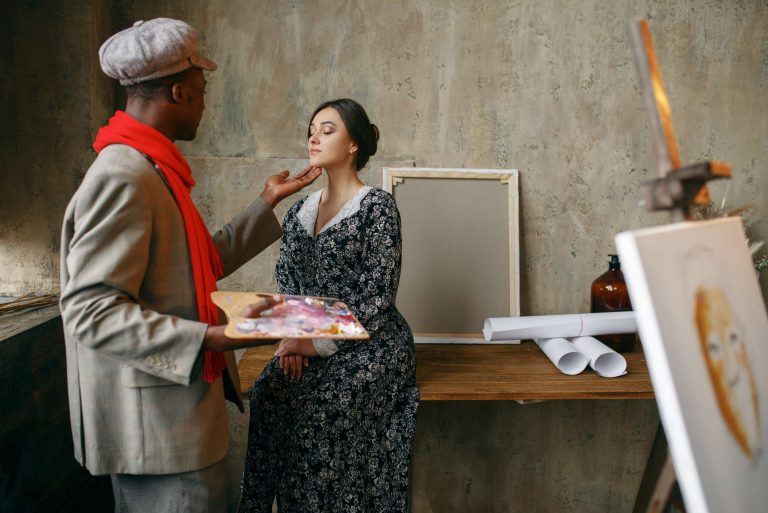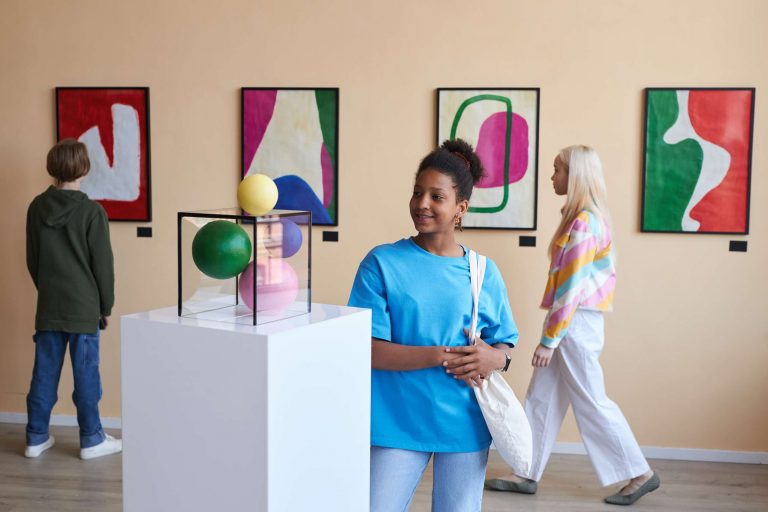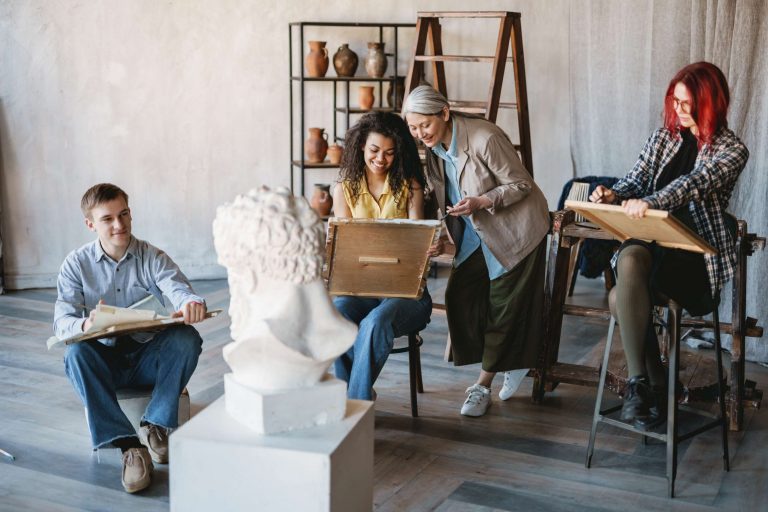
Art does not stop challenging when your education is over, and it shapes the way you think through everything. Fostering lifelong communion with art, it fosters curiosity and reflection as it teaches its student to actively look, connecting historical work to present culture. Enriching understanding as well as pleasure, every encounter with a work of art prompts the chance to fine-tune reception and response – be it to painting, sculpture or installation. This process-led engagement fosters a culture of reflective observation that carries into everyday life, stimulating visual literacy and critical consciousness.
Having a long-term relationship with art also nurtures creative thinking. Regular exposure to different artist style, technique and medium can fulfil with motivation and inspiration an even helps you understand about new Art which often could be applicable for your own creativity. Students explore new ways of seeing and expression by studying masterworks and experimenting with similar techniques. And, frankly, it’s in the nature of going back to works over time: you start adding up all that you see and know, and what felt obscure or mysterious at one date storms into focus the next. This incremental process is conducive to technical skill and conceptual richness, strengthening the reciprocal relationship between analysis and production.
Living with art your entire life is key to personal development beyond aesthetics. It teaches empathy by immersing learners in the experiences, emotions and worldviews of artists at different times and places. Interpreting the social historical circumstances of works of art can inspire contemplation about more universal human themes such as identity, morality and cultural expression. Taking stock of these dimensions enables learners to go through both art and life in a more meaningful, deeper way with greater sympathy and understanding, appreciating differences of view as well as the rich variety of human lives.
In addition, continuing to be a part of the world of art promotes intellectual discipline and curiosity. Studying and reading essays of criticism, going to shows, or lectures… it all helps enrich your understanding of how art has evolved. Students develop patience, precision and analytical scrupulosity – skills that are transferable both to other areas of scholarship and the workplace. The art of study no longer requires a mere acquisition of knowledge but also entails a culture (for art history is their culture) of critical engagement, visual observation and reflective thinking that will produce intellectual growth in both personal and professional development.
And, finally, fostering a lifelong relationship with art makes the world itself look different. It not only shapes a lifelong sense of inquiry, interpretation, and creative thinking but also offers tools for understanding and responding to cultural and visual landscapes with intelligence. To the degree that these students embrace art as an ongoing process, rather than a product to be achieved, they will enrich their lives with insight, inspiration and appreciation for the timeless human impulse to create, communicate and comprehend through visual expression.